Sofia Foster · 11 September 2026
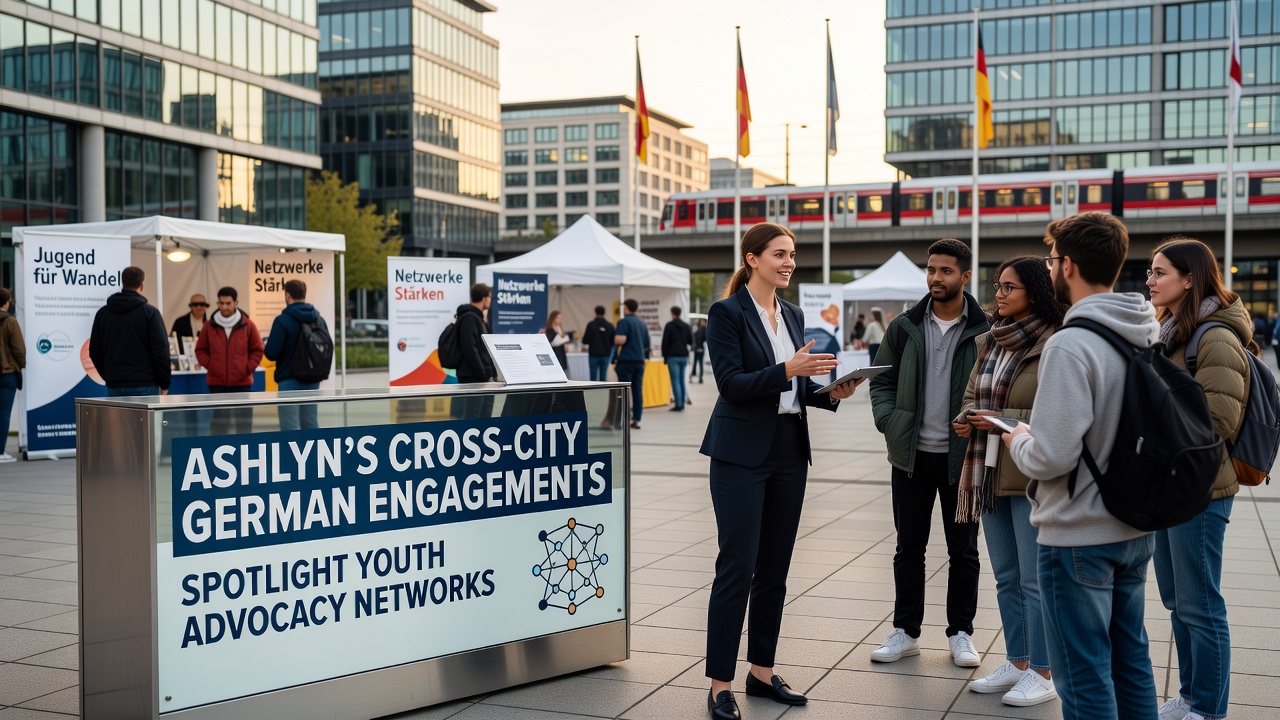
Ashlyn's Cross-City German Engagements Spotlight Youth Advocacy Networks
Youth advocacy networks across Germany have gained visibility through coordinated engagements that connect participants in multiple urban centers, and observers note these efforts have drawn attention to local initiatives addressing education access, mental health support, and civic participation. Ashlyn's schedule has included stops in Frankfurt, Hamburg, and Cologne since early 2025, with additional activities planned through September 2026 that align with regional forums and workshops organized by established advocacy groups.
Expansion of Cross-City Activities
Activities began with introductory sessions in Frankfurt where representatives from student-led organizations presented data on apprenticeship placement rates, and these gatherings expanded to include Hamburg's port district networks that focus on vocational training for recent immigrants. Cologne followed with sessions centered on digital literacy programs, while the sequence allowed participants to share resources and compare outcomes across cities. Data from the German Federal Statistical Office indicates that youth unemployment in these regions averaged 6.8 percent in 2025, a figure that advocacy coordinators reference when planning joint events.
Engagements have incorporated panel discussions and site visits, yet the format emphasizes direct exchanges between network leaders rather than large public rallies. One program in Hamburg connected high school students with trade union mentors, and similar pairings occurred in Cologne where environmental groups demonstrated community mapping techniques for urban green spaces. These connections have produced shared online repositories that list available grants and training modules, according to summaries released by participating organizations.
Focus on Established Advocacy Networks
Networks operating in the three cities maintain distinct priorities while participating in the cross-city series. Frankfurt groups concentrate on financial literacy workshops that reached 1,200 participants in the past year, whereas Hamburg counterparts address housing stability through tenant rights education. Cologne networks have prioritized anti-discrimination training, and figures released by the European Youth Portal show that collaborative projects involving multiple German regions increased by 14 percent between 2023 and 2025.
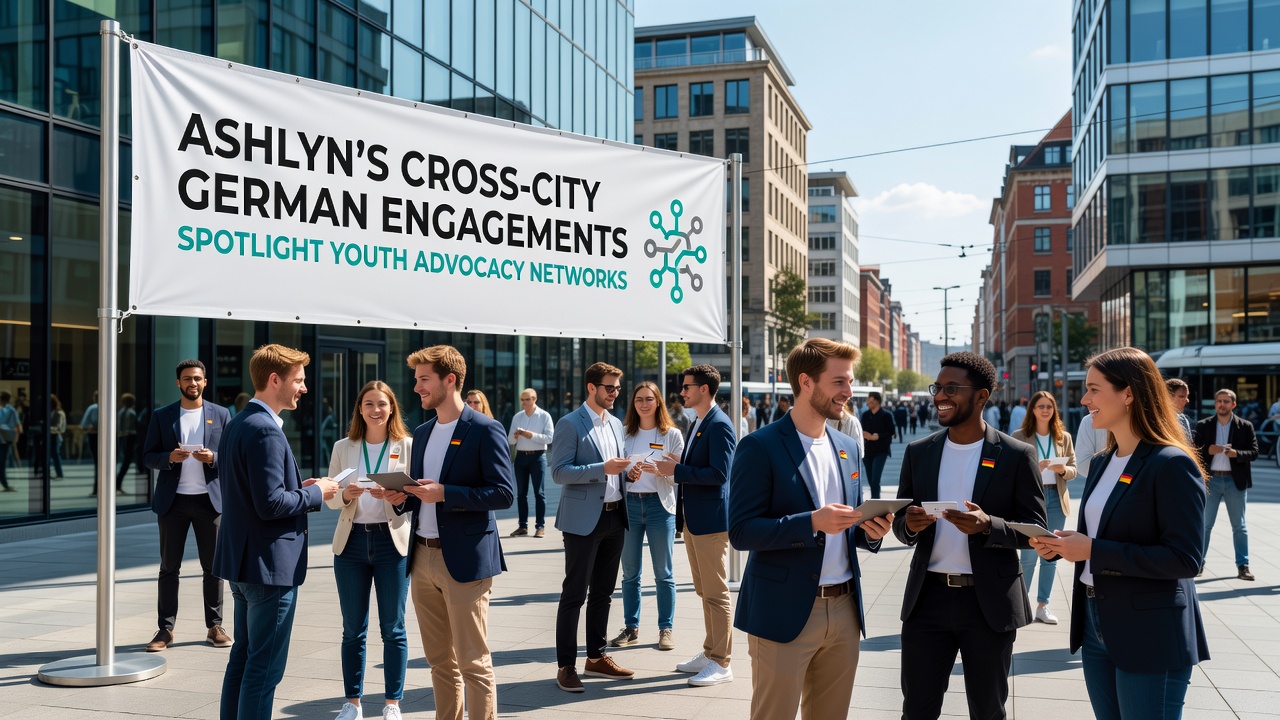
September 2026 events are scheduled to include follow-up meetings in Leipzig and Stuttgart, where new cohorts of participants will review progress on joint proposals submitted to regional education authorities. These proposals cover expanded internship placements and peer counseling models, and organizers have cited preliminary reviews from university research centers that track retention rates in such programs. The approach avoids duplication by assigning each city a lead role on specific topics, allowing knowledge transfer without requiring every group to replicate identical structures.
Documented Outcomes and Resource Sharing
Records maintained by the networks list concrete results such as the creation of a shared database containing 350 training opportunities and the coordination of 22 joint grant applications submitted to federal and EU funding streams. Participants report that these efforts have reduced administrative overlap, and one evaluation conducted by an independent research institute noted improved response times when networks pooled contact lists for emergency mental health referrals. External links to government portals provide further context on funding eligibility criteria that apply across federal states.
Coordination meetings have taken place both in person and through secure digital platforms, and attendance logs show consistent representation from at least eight distinct organizations per session. The series has also incorporated feedback sessions where younger members evaluate the relevance of proposed activities, leading to adjustments such as the addition of mobile app development modules in Hamburg. These modifications reflect ongoing input rather than fixed agendas, and similar iterative processes appear in the planning documents for the 2026 Leipzig and Stuttgart segments.
Conclusion
The cross-city engagements continue to map connections among youth advocacy networks operating in different German urban areas, with documented resource sharing and scheduled activities extending into September 2026. Available records indicate measurable participation levels and joint outputs that participating organizations continue to track through shared metrics and periodic reviews.