Bianca Schmitz · 9 October 2026
Ashlyn's Studio Collaborations Highlight Evolving Techniques in German Independent Publishing
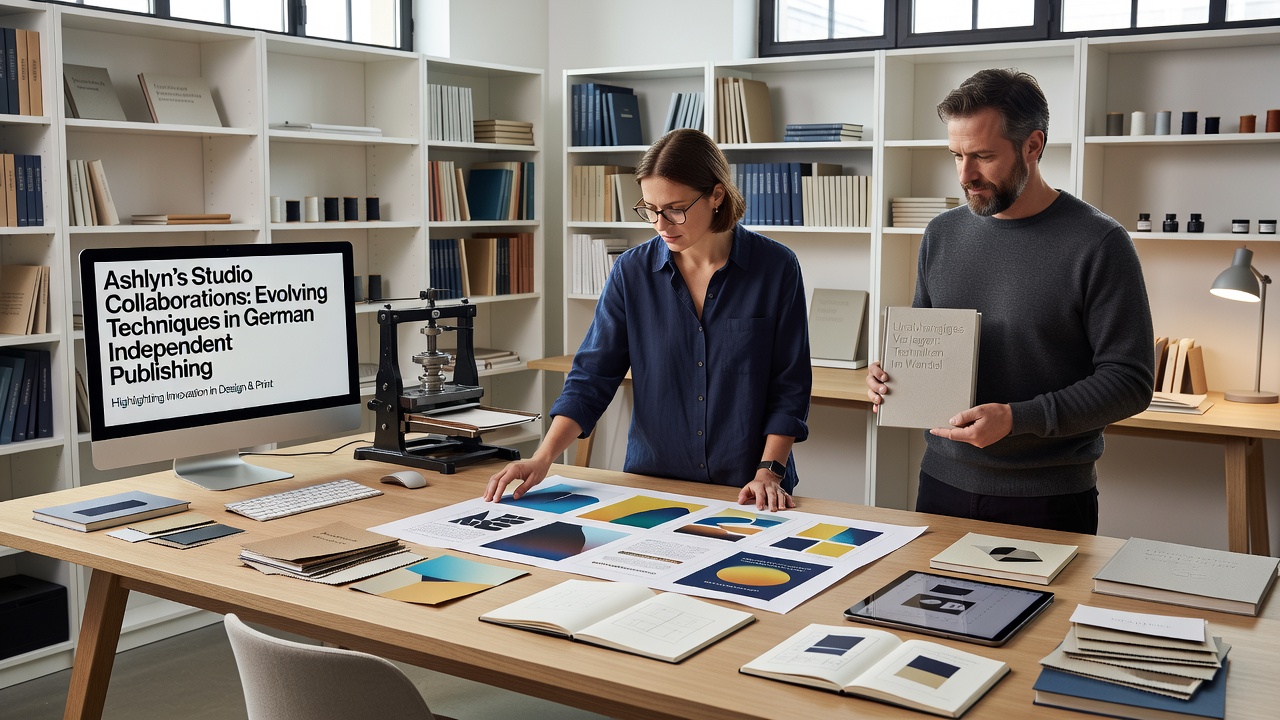
Studio partnerships led by Ashlyn have drawn attention in recent years for the ways they intersect with independent publishing houses across Germany, where new methods for production and distribution continue to take shape. These efforts focus on combining traditional printing processes with digital platforms, while teams explore sustainable materials and streamlined workflows that address both small-run editions and broader accessibility.
Background on German Independent Publishing Landscape
Independent publishers in Germany operate within a market shaped by regional book fairs and a strong emphasis on literary translation, yet many face challenges related to rising production costs and shifting reader habits. Data from industry reports indicate that small presses increasingly turn to collaborative networks to share resources, and observers note that such arrangements allow for experimentation without the overhead of large-scale operations. Ashlyn's involvement often centers on studios that prioritize hybrid models, where physical books pair with online archives or interactive elements, creating pathways that researchers have tracked through case studies in cities like Berlin and Leipzig.
Those who've examined publishing trends point out that techniques such as print-on-demand have gained traction since the early 2010s, but recent studio work extends this further by integrating variable data printing and eco-friendly inks sourced from local suppliers. Collaboration between Ashlyn-affiliated spaces and these presses has produced titles that test modular design, enabling readers to customize certain aspects of editions while maintaining consistent quality control standards.
Key Collaborations and Techniques in Focus
Partnerships documented through 2025 and into 2026 reveal a pattern of shared studios where editors, designers, and printers work side by side on projects that blend offset lithography with digital enhancements. One notable series involved three independent houses in Hamburg and Munich, where teams applied laser-cut elements to covers alongside embedded QR codes linking to supplementary audio content. Figures released by the European Commission on cultural and creative sectors show that such integrations have supported a measurable uptick in cross-media releases within the independent segment.
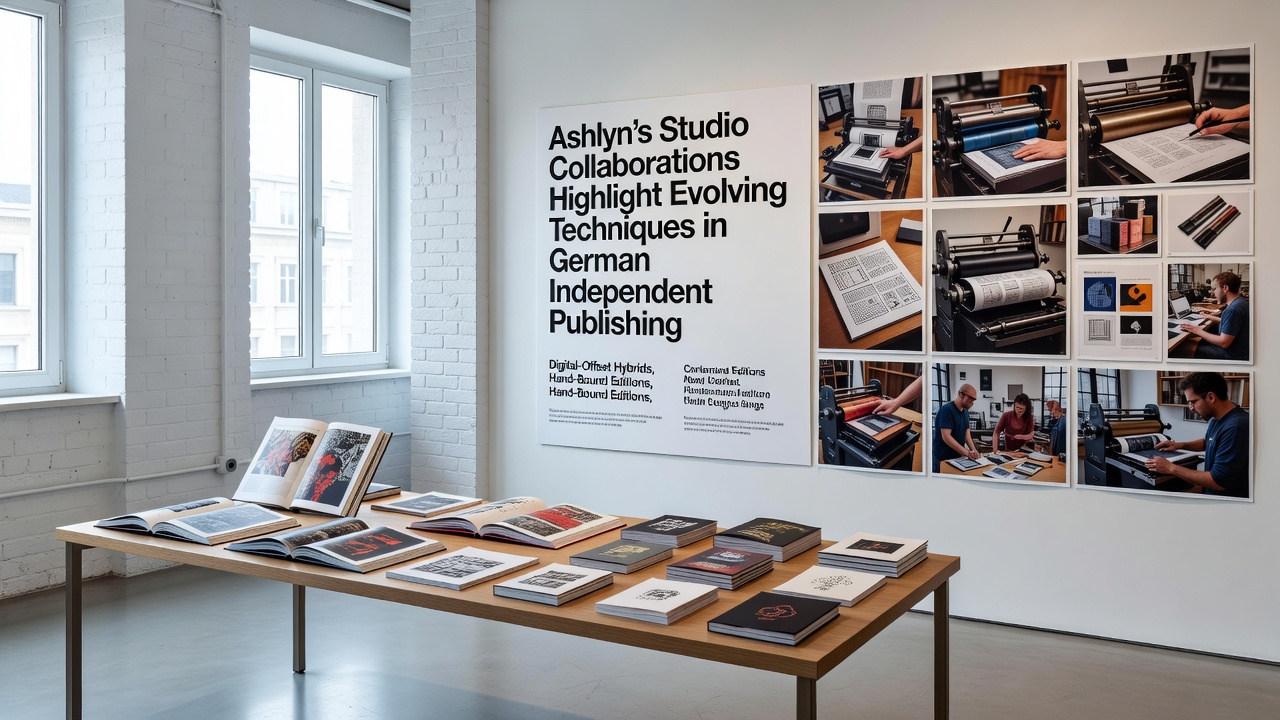
What's interesting is how these collaborations adapt to seasonal cycles, with preparations accelerating ahead of major events like the October 2026 Frankfurt Book Fair. Studios under Ashlyn's coordination have scheduled joint workshops that introduce participants to AI-assisted layout tools calibrated for German-language typography, alongside manual binding methods that preserve artisanal touches. Observers note that participants often exchange data on supply chain efficiencies, which helps smaller operations reduce waste while meeting demand for limited editions.
Evidence from academic analyses at institutions such as the University of Leipzig highlights how these evolving methods affect distribution timelines, allowing independent publishers to respond more rapidly to niche audiences without relying solely on traditional wholesalers. And while the focus remains on technical refinement, the partnerships also facilitate knowledge transfer between generations of printers and digital natives.
Impact on Broader Industry Practices
Across multiple regions, similar studio models appear in Canada and Australia, where independent publishers have adopted comparable hybrid approaches following exchanges documented in international reports. In Germany the emphasis stays on local adaptation, with Ashlyn-linked projects incorporating feedback loops that refine techniques based on reader surveys and sales analytics. Data shows an increase in collaborative outputs that feature bilingual or multilingual components, reflecting Germany's position as a hub for European literary exchange.
Those monitoring the sector point to specific advancements in binding durability and archival standards that emerged from these studio sessions, ensuring that small-press books withstand repeated handling. External analyses from sources like the European Commission cultural reports connect these developments to wider policy support for creative industries, noting that such techniques help maintain diversity in available titles amid consolidation trends among larger firms.
Looking Ahead to Future Developments
Preparations for October 2026 include expanded studio access programs that invite emerging publishers to test new software for color management and sustainable sourcing. Researchers continue to document how these collaborations influence overall output quality and market reach, with metrics indicating steadier growth in independent sector participation at national events. The pattern suggests ongoing refinement rather than abrupt shifts, as teams build on established methods while incorporating incremental innovations.
Conclusion
Ashlyn's studio collaborations have contributed concrete examples of how independent publishing in Germany adapts through shared expertise and technical evolution. The documented techniques, from integrated digital-physical formats to resource-sharing protocols, align with broader industry data that tracks gradual transformation in production and distribution practices. Continued observation of these partnerships will provide further insight into their role within the changing landscape of German independent publishing.