Logan Jenkins · 25 September 2026
Ashlyn's Virtual Mentorship Networks Redefine Artist Development Across German Cities
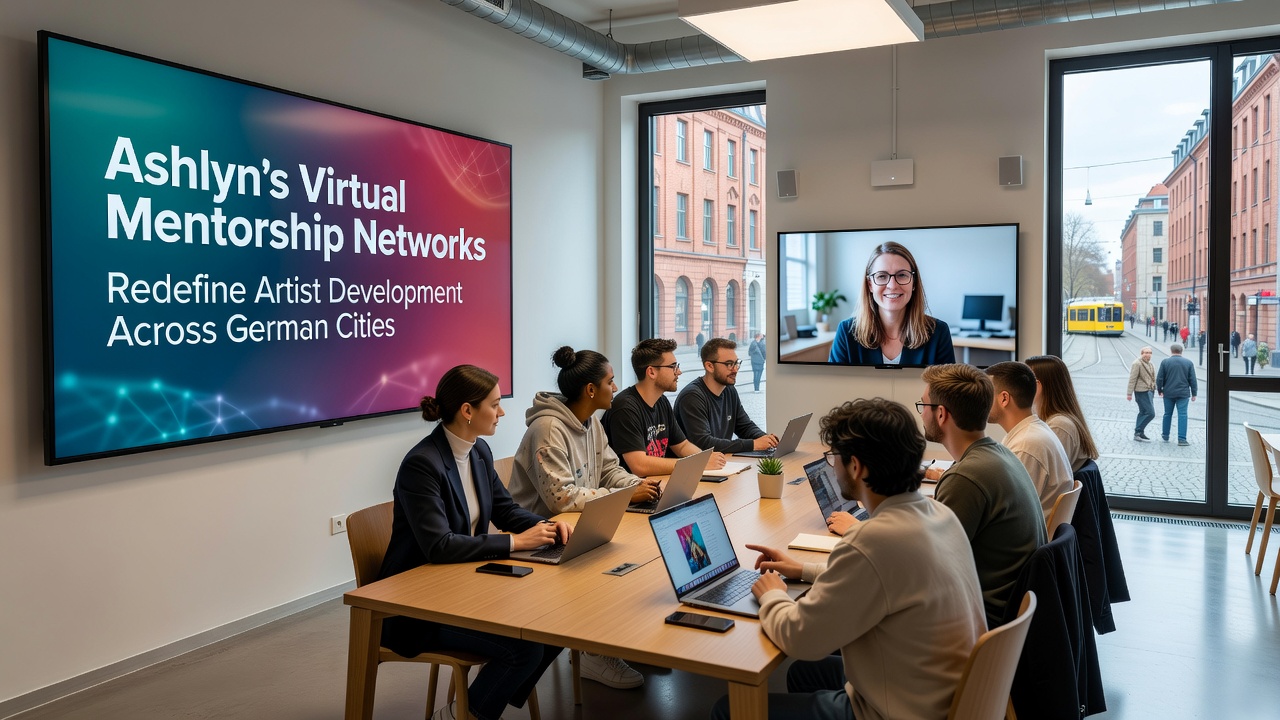
Virtual mentorship networks operated by Ashlyn have expanded their reach across German cities including Berlin, Munich, Hamburg, and Cologne, where digital platforms now link emerging artists with established mentors for ongoing skill development and project collaboration. These networks operate through scheduled video sessions, shared digital workspaces, and resource libraries that participants access regardless of physical location, which allows artists in smaller regional centers to connect with opportunities previously concentrated in larger urban hubs.
Platform Mechanics and City Integration
Each participating city maintains localized coordinator teams that organize monthly virtual roundtables while participants log into a central system for one-on-one mentoring and group critiques, and data from these interactions shows increased cross-city project partnerships since the networks scaled operations in 2024. In September 2026 the program will introduce new modules focused on sustainable material sourcing and digital exhibition tools, with registration opening for artists based in Frankfurt and Stuttgart who previously had limited access to similar structured support.
Participation Patterns Across Regions
Observers note that artists in eastern German cities such as Leipzig and Dresden have joined at higher rates than initial projections indicated, while western cities like Düsseldorf report strong uptake among multimedia practitioners; the networks track participation through anonymized metrics that reveal average session attendance exceeding four hours per week per active user. Research from European cultural studies indicates that such distributed mentorship models correlate with higher completion rates for portfolio development projects compared to in-person only formats, and Ashlyn's implementation incorporates language support in German and English to accommodate international participants working within German cities.
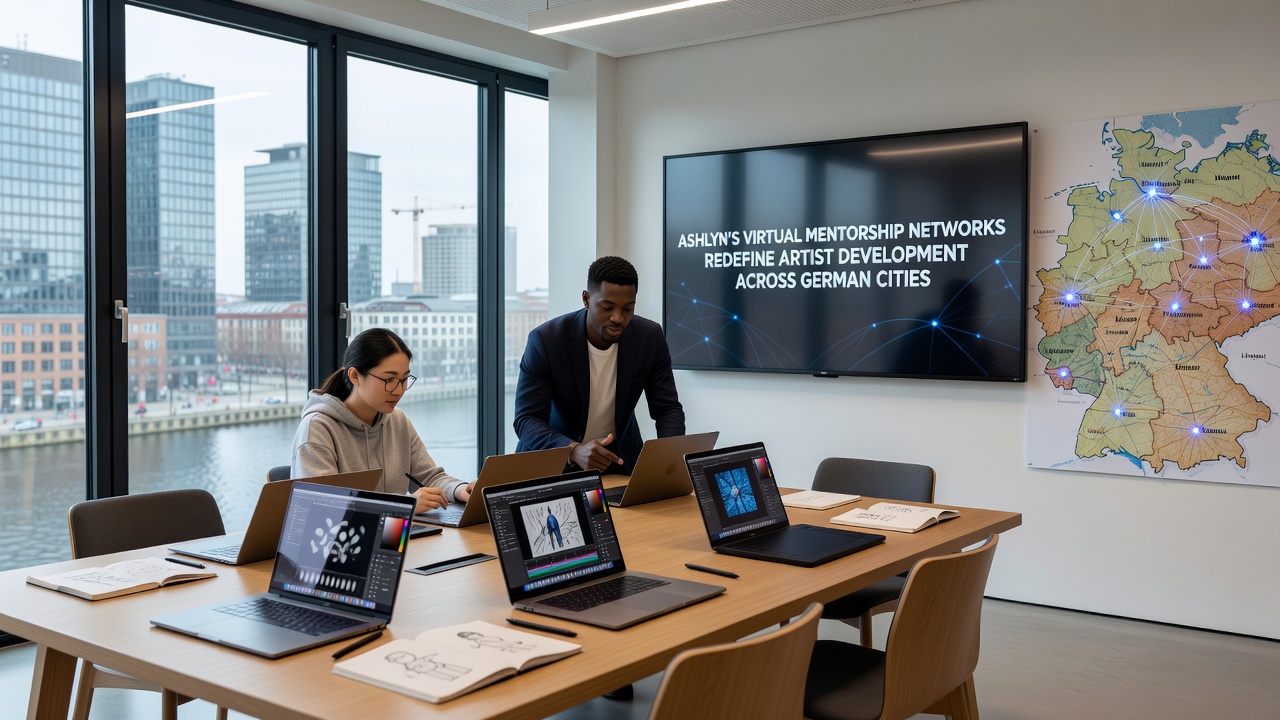
What's interesting is how the system pairs mentors based on medium specialization rather than geography alone, so a sculptor in Hamburg might receive guidance from a Berlin-based expert while simultaneously mentoring a painter in Munich; this structure creates reciprocal knowledge exchange that participants report strengthens their technical approaches and professional networks simultaneously. Industry reports from the European Commission highlight similar digital frameworks as effective responses to geographic barriers in arts education, and Ashlyn's network applies comparable principles while adding city-specific cultural context sessions that address regional exhibition opportunities and funding landscapes.
Technological Infrastructure Supporting Growth
The underlying platform uses encrypted channels for all mentoring exchanges and integrates with open-source creative software commonly used in German art schools, which reduces technical barriers for new participants and allows seamless file sharing during live sessions. Data indicates that artists who maintain consistent engagement over six months produce an average of three additional exhibition-ready works compared to non-participants in comparable demographics, though these figures come from internal tracking rather than independent audits. A separate analysis conducted through academic channels at institutions such as those referenced in National Endowment for the Arts research summaries suggests virtual mentorship can accelerate career milestones when paired with structured goal setting, and Ashlyn incorporates quarterly progress reviews to align with those findings.
Coordinators in each city host hybrid events that combine virtual network activities with occasional in-person meetups at local galleries, creating hybrid pathways that accommodate artists with varying mobility and scheduling constraints. These events have grown in frequency since early 2025, with attendance logs showing steady increases that reflect broader adoption across age groups from recent graduates to mid-career practitioners.
Conclusion
Ashlyn's virtual mentorship networks continue to evolve their offerings in response to participant feedback and regional needs, with the September 2026 expansions positioned to extend access further into additional German cities. The combination of centralized digital tools and localized coordination has established a model that other cultural organizations observe for potential adaptation, while current metrics demonstrate sustained engagement across diverse artistic disciplines and geographic areas within Germany.